
Social issues
Dr. Andrea Frohne, Ph.D.
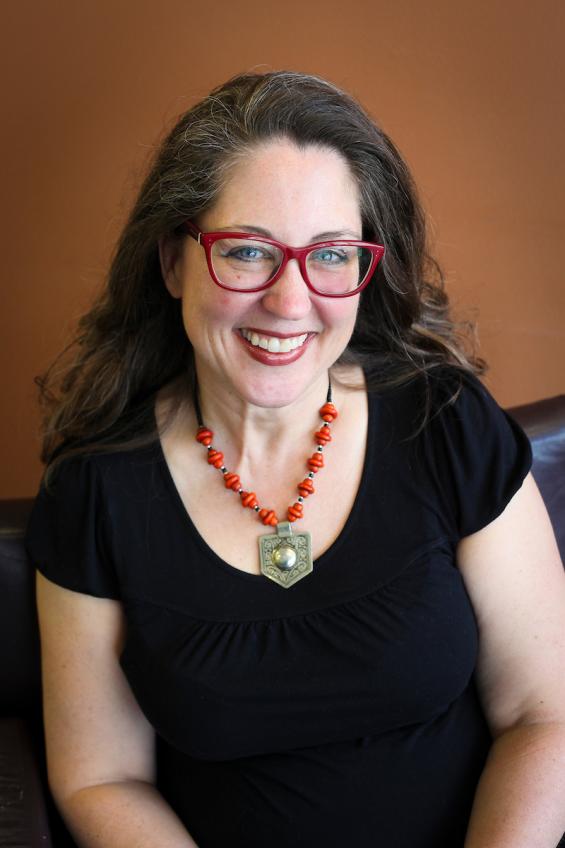
Dr. Andrea Frohne is professor and art historian of arts of the African World at Ohio University. She is the Director of the School of Interdisciplinary Arts, which is the Ph.D. program in the College of Fine Arts. She is also the Director of AARSI, the African American Research and Service Institute. Her first book is The African Burial Ground in New York City: Memory, Spirituality and Space (2015). Her second book is Contemporary Artists from the Horn of Africa: Encounters Beyond Borders through Conflict, Colonialism, and Modernity (forthcoming).
Jennifer Grant Weinandy, Ph.D.

Grant Weinandy uses mixed methods to study perceptions and experiences of addictions and addiction treatment in adults. Specifically, she focuses on behavioral addictions, especially Gambling Disorder, and providers’ use of harm reduction treatments for addictions. Through this research, she aims to improve diagnosis, classification, and access to evidence-based and targeted care, as well as to reduce health disparities in addiction treatment by informing public policy and clinical work. She is especially interested in the experience of addictions in rural populations.
Pamela A Kaylor, Ph.D.
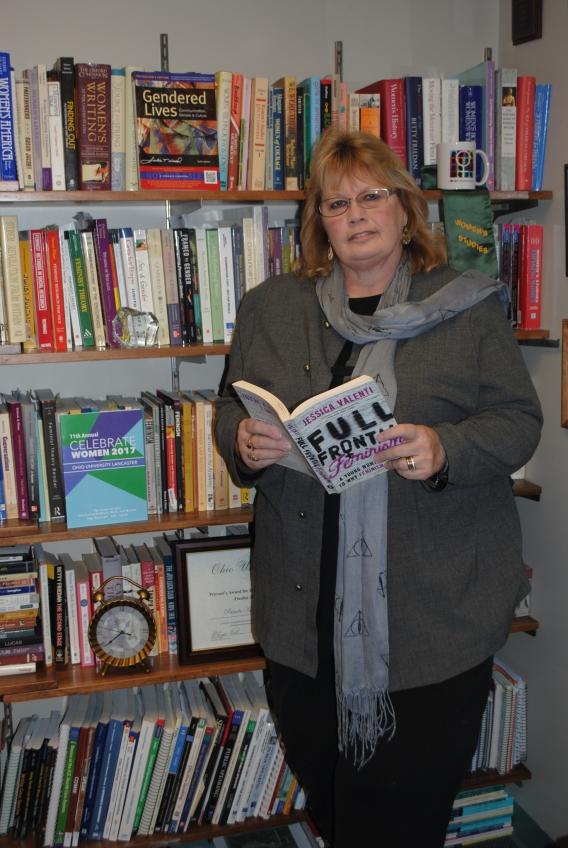
As a faculty member at Ohio University Lancaster, Dr. Pamela Kaylor teaches courses in Communication Studies and Women’s, Gender, and Sexuality Studies. Her primary areas of instructional interest include women’s issues, qualitative research, gender and communication, intercultural communication, social justice, and rhetoric.
Rebekah Perkins Crawford, Ph.D.
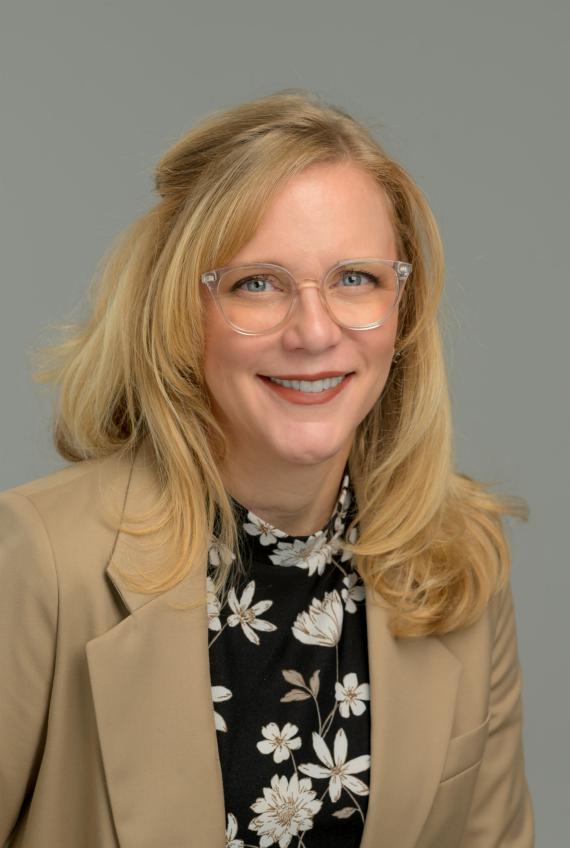
As a health communication scholar, Rebekah Perkins Crawford uses feminist, narrative, gender, and queer theories to focus on building equity, inclusion, and engagement for health at the community level. Her early work illuminated the role faith-based organizations play in providing alternate, community contexts of mental health care.
Kerri A. Shaw, MSW
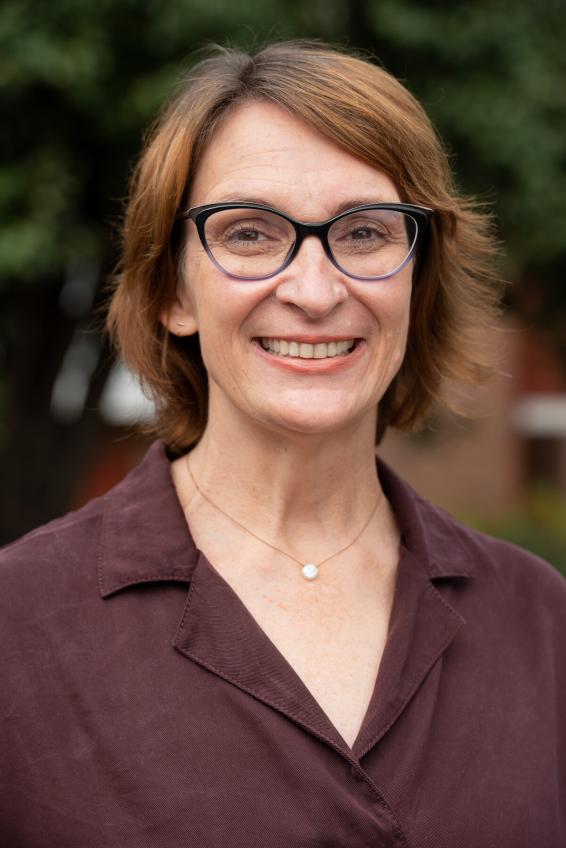
Shaw, MSW, LISW-S, CHW is the Community Health Worker Lead for the Ohio University Alliance for Population Health. She has twenty years of practice experience in southeast Ohio as a school social worker, counselor, program developer, and educator.
Myrna Perez, Ph.D.
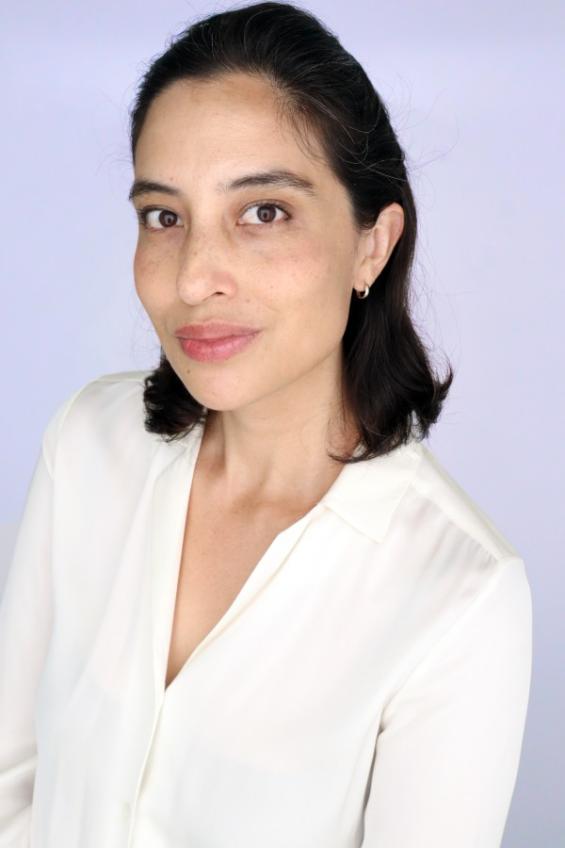
Myrna Perez is Associate Professor at Ohio University, jointly appointed in Classics & Religious Studies and in Women’s, Gender & Sexuality Studies. She received her Ph.D. from the Department of the History of Science from Harvard University. She was Postdoctoral Fellow at the Center for Women’s, Gender and Sexuality Studies at Rice University and has been a fellow at the Harvard Divinity School and in the Darwin Correspondence Project at Cambridge University.
Vincent Jungkunz, Ph.D.
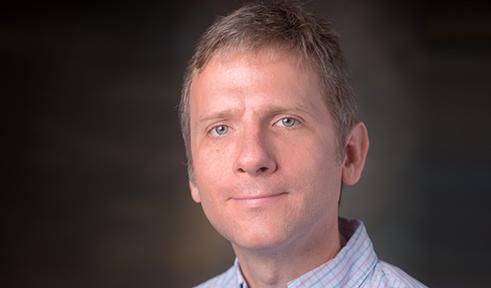
Jungkunz is an Associate Professor of Political Science, Provost-awarded Transformative Faculty Member, Dean’s Outstanding Teacher, and University Professor at Ohio University. His theorizing, research, and writing have focused on Critical Race Theory, Whiteness, Democratic Theory, Feminist Theory, Gender, Political Theory, Law & Society, Politics of Resistance, Silence, Identity Formation, and American Politics. He teaches a wide range of courses on Critical Race Theory, Democratic Theory, Law and Society, Political Theory and American Politics including: “American Wh
Claudia González Vallejo, Ph.D., MIA

González Vallejo’s expertise is in decision analysis, statistics, and the psychology of judgment and decision-making. She has prior experience in international affairs working for the United Nations Development Fund for Women (UNIFEM), and public policy working for the Center for Policy Research at the Rockefeller College, SUNY at Albany. More recently, she worked as Program Analyst at the U.S. State Department, Bureau of Conflict and Stabilization Operations.
Eve Ng, Ph.D.
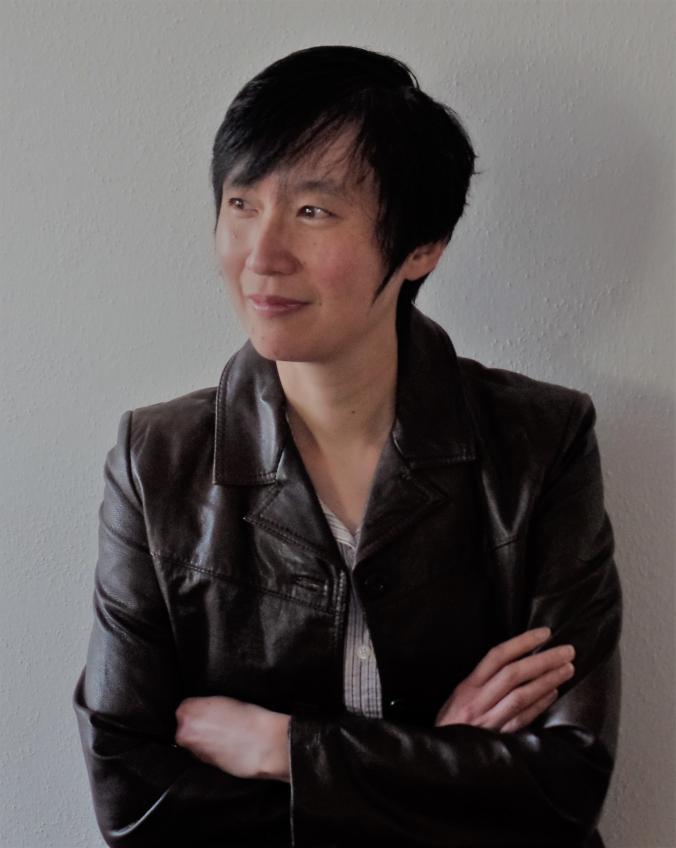
Ng is an associate professor at Ohio University, in the School of Media Arts and Studies and the Women’s, Gender, and Sexuality Studies Program.
Daniel Skinner, Ph.D.
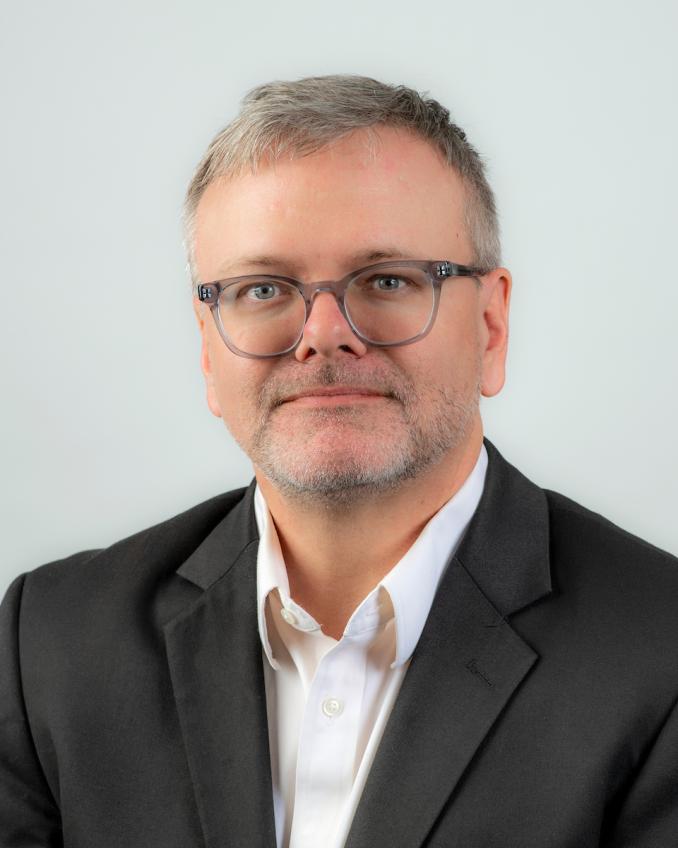
“People are sometimes surprised to learn that a political scientist is on faculty at a medical school,” Skinner said. “But politics is at the heart of the policy process, and shapes everything from how professional relationships are formed to changes in our health care system. We need to be politically astute to make good policy, and we need physicians to be involved in these decisions.”