
Arts and Literature
Lisa Stein Haven, Ph.D.

Haven is an expert in all things Charlie Chaplin, who burst on the scene during World War I and became an American icon by the Great Depression in the late 1920s.
Chaplin gained worldwide popularity and recognition beginning in the 1910s for his "Little Tramp" character, a man dressed in a mishmash of ill-fitted suiting, bushy mustache, Derby hat and bamboo cane. That character has become one of the most iconic film images of all time. The Little Tramp's antics, slapstick comedy and pathos created a timeless persona that critics and audiences are still applauding and analyzing.
John Sabraw
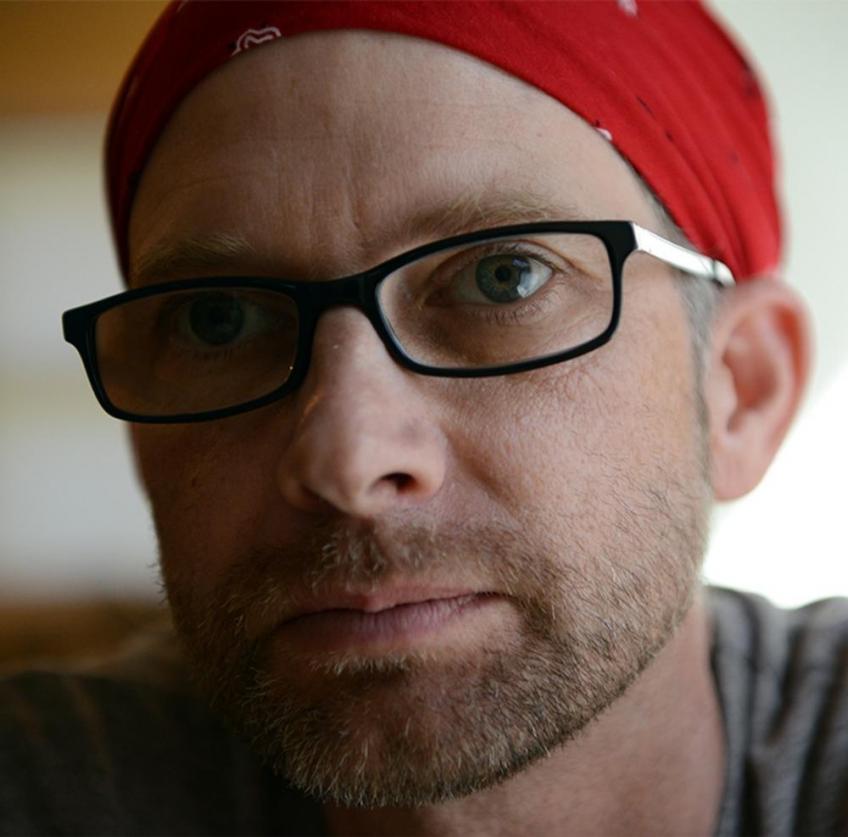
There are two areas of Ohio University Professor of Art John Sabraw’s life that he is exceptionally passionate about - art and sustainability. And he has found ways to marry the two.
An expert painter, designer, illustrator and author, Sabraw seeks projects that not only allow him to expand his creativity, but those that also help the environment.
Tony M. Vinci, Ph.D.

Tony M. Vinci lives at the crossroads of popular culture and literary history. He teaches classes on HBO’s Game of Thrones and Holocaust literature, fantasy in young adult literature and literary modernisms, androids in film and African American literature. His scholarship is as diverse as his classes, including publications on ghosts, animals, and African American identities in the literature of William Faulkner; trauma in the science fiction of Philip K. Dick; and the ethical confrontation explored by contemporary filmmakers such as Joss Whedon and Guillermo del Toro.
Neil W. Bernstein, Ph.D.
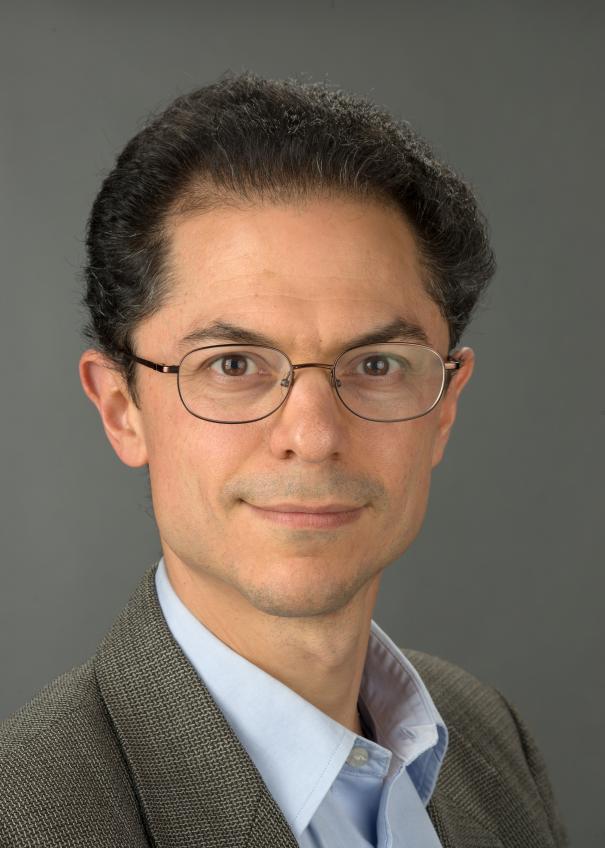
Dr. Neil W. Bernstein conducts research on the representation of family and community in ancient Roman literature.
“I study the aristocratic Roman family and the multiple ways that it is represented in different genres of Roman literature,” he says. “I complement my research on the biological family with study of non-biological relationships which the Romans represented as familial. I examine adoption fostering, substance-based definitions of kinship, and mentoring relationships.”